Iran War Could Help Push Fossil Fuel Emissions Down for First Time Since 2020
Researchers say the oil shock of the Iran war and clean energy both helped, and that a fall driven partly by such a shock is not a lasting fix.
Global carbon dioxide emissions from fossil fuels are projected to fall in 2026 for the first time since 2020. The projection comes from the 2026 Global Carbon Budget, an annual report by more than 140 researchers. The authors say the fall owes partly to the oil shock of the Iran war and to clean energy, and that a fall driven partly by such a shock is not a lasting fix.
The report projects 38.2 billion tonnes of fossil CO2 this year, 0.4 per cent less than in 2025. Emissions from oil are projected to fall 1.9 per cent and those from natural gas 0.3 per cent. Emissions from coal are projected to rise 0.6 per cent. The report puts the uncertainty wide: the fall could be as large as 1.5 per cent, or emissions could still rise by 0.6 per cent.
What is behind the fall
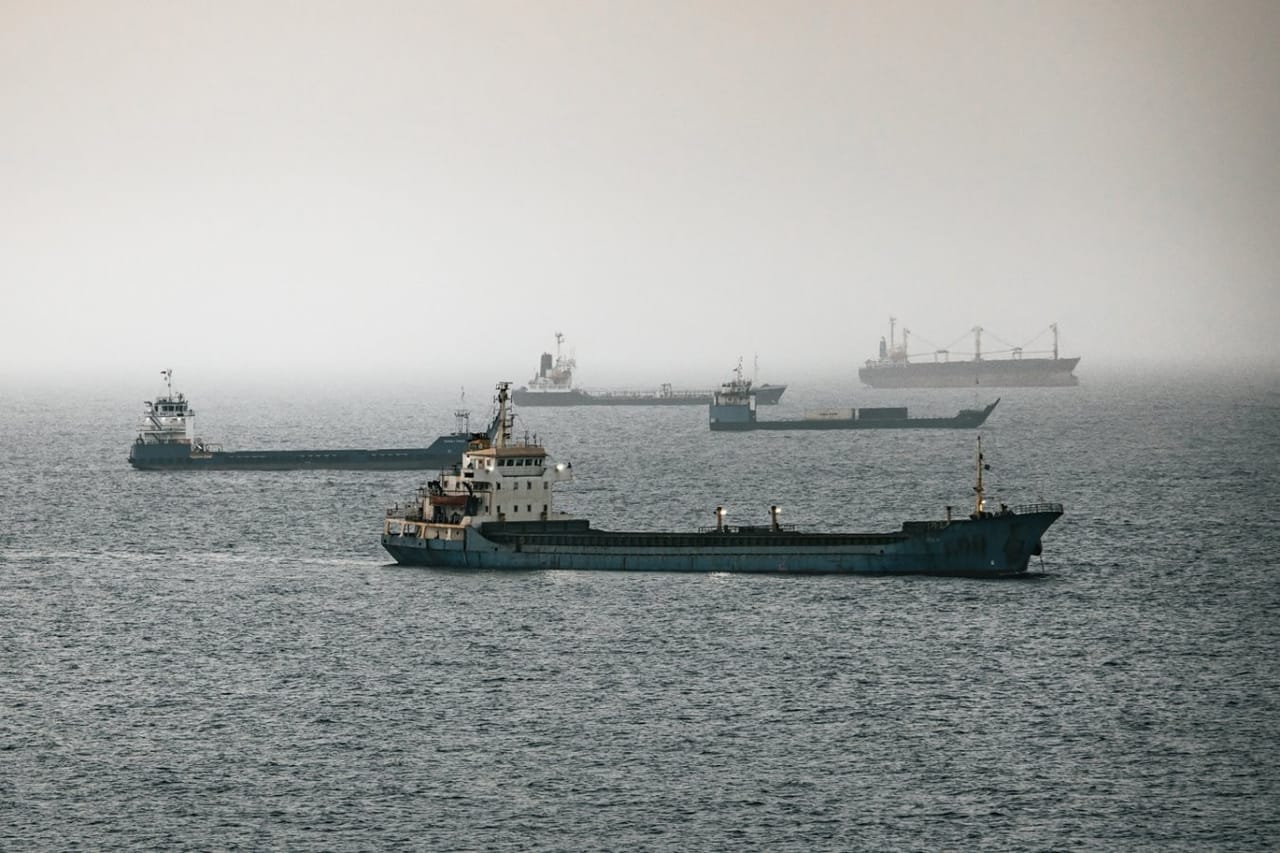
The war began in February. New Scientist reports that Iran blockaded the Strait of Hormuz in response, a route that carries about 20 per cent of the world's oil and liquefied natural gas. Oil prices jumped, and the researchers call the drop in oil emissions likely a short-term response to that shock.
Solar and wind power and electric vehicles also helped. Two-thirds of the growth in global energy demand is now being met by them, the report finds. It projects that they will offset 64 to 79 per cent of emissions from new demand through 2028. China, the largest emitter, is projected to cut emissions by 0.9 per cent. The US is projected to fall 1.3 per cent, the European Union 1.5 per cent and Japan 1 per cent. India is projected to rise 4.4 per cent.
Why researchers urge caution
Pierre Friedlingstein of the University of Exeter, who led the study, said: "A decline in fossil CO2 emissions is encouraging, but a reduction driven partly by geopolitical shocks is not a sustainable climate solution."
Glen Peters of the CICERO Center for International Climate Research said a one-year drop is not a peak unless structural change drives it. Corinne Le Quéré of the University of East Anglia said that if the oil price returns to levels from before the conflict, emissions will most likely rebound as well. Robbie Andrew of CICERO said the fall may turn out to be a "blip". Past shocks, such as the 2020 pandemic, were followed by rebounds.
Emissions that include land use, such as deforestation, are projected to rise to 43.3 billion tonnes from 42.8 billion. The report ties this partly to peat fires and forest degradation in South-East Asia during El Niño conditions. The remaining carbon budget for holding warming to 1.5 degrees Celsius is now 150 billion tonnes, less than four years of emissions at the current rate.