Trump Vows Total Victory Over Iran as Gulf Views Differ
Trump says the war will end soon, while analysts disagree on whether the naval blockade serves the Gulf states.
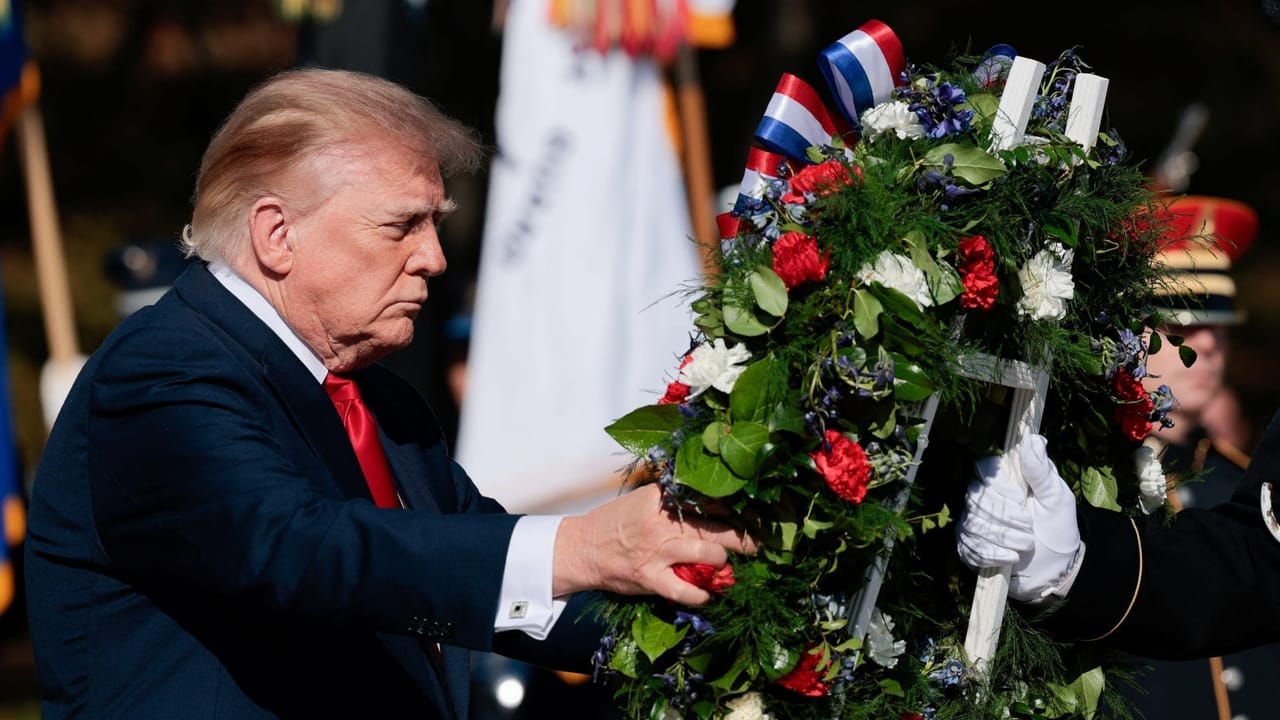
US President Donald Trump said on Wednesday that the war with Iran will end soon and that Washington will accept nothing less than "total victory." He spoke at a Veterans Day ceremony at Arlington National Cemetery.
"We fought back, and we seriously fought back, and we won," Trump said. "[It's] just a question of when we want to end it," he added. "We want to make sure we have a total victory, not a 93% victory. It's going to be total." He said it would take Iran 25 years to rebuild what the US had destroyed, and that he hopes no more of it will have to be destroyed.
Trump also paid tribute to the 18 US service members lost in Operation Epic Fury. He thanked the troops for their efforts to stop Tehran from obtaining a nuclear weapon and called Iran the world's leading state sponsor of terrorism. He and first lady Melania Trump took part in the traditional wreath-laying.
Hegseth and the House vote
Trump also introduced Defense Secretary Pete Hegseth to the audience and praised his work. A day earlier, the Republican-controlled House blocked an attempt by Rep. Thomas Massie to advance eight articles of impeachment against Hegseth. Massie's accusations centered on the administration's military operations, among them those against Iran. The vote was procedural. It stopped the effort from advancing and did not rule on the allegations themselves.
Hegseth called the effort a "political spectacle" and a "farce" and said he stood behind all of them. "I was proud to execute them, and I would do it again tomorrow," he said.
How the Gulf reads the standoff
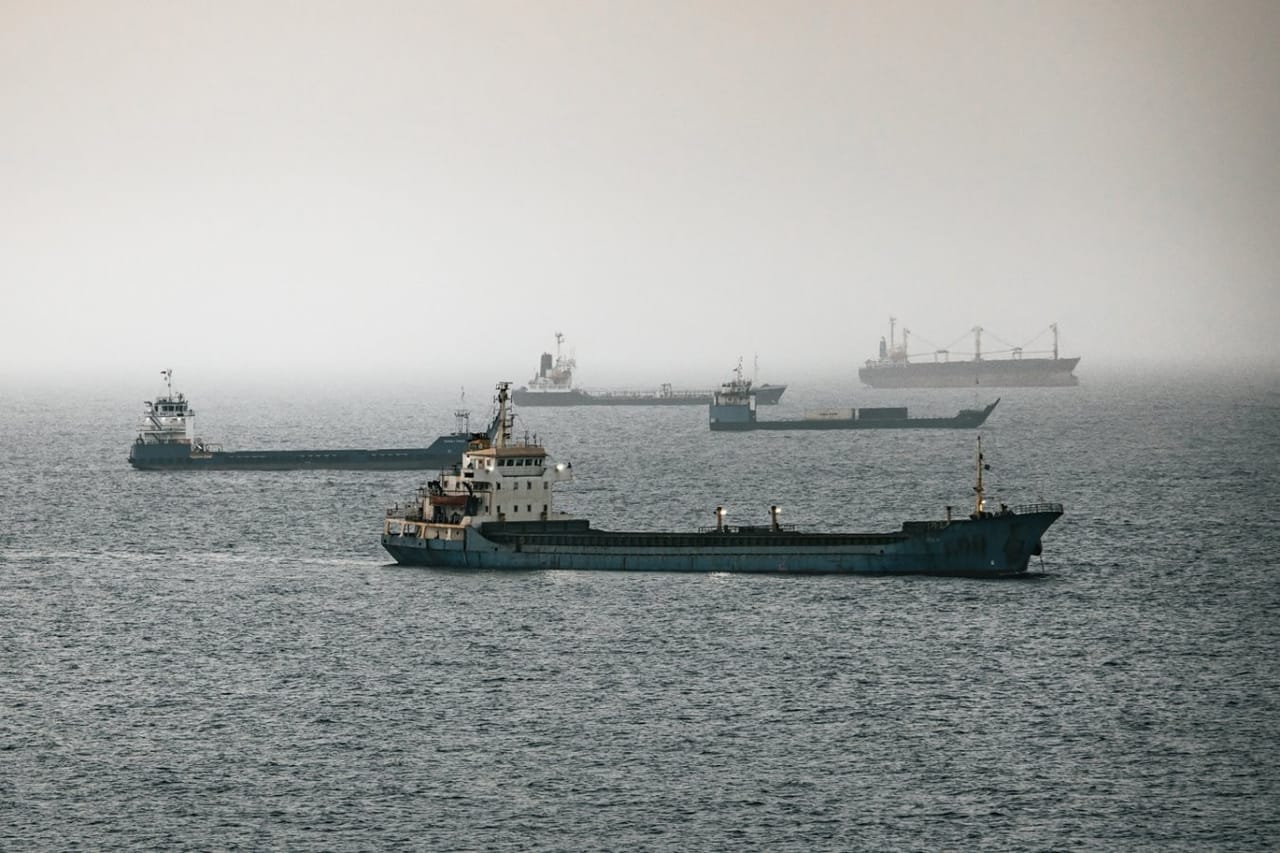
Trump told reporters on Monday that Qatar, Saudi Arabia, the UAE, Bahrain and Kuwait would prefer the status quo. He described that as keeping the US naval blockade in place while American forces stay ready for renewed action. On Tuesday, Secretary of State Marco Rubio said sanctions and the blockade were causing growing economic damage to Iran, which reduces the need for further major combat operations.
Regional analysts quoted by Iran International disagree. Ghaith al-Omari of the Washington Institute said Gulf governments want a weaker Iran but do not believe the blockade serves their interests. Mohamed Fahmy said there is no unified Gulf position. In his view Saudi Arabia and the UAE see value in keeping up the pressure, while Qatar and Oman put more weight on mediation. Saad bin Tefla Al-Ajmi, Kuwait's former information minister, argues that keeping the status quo is the least harmful choice.
Fahmy said Washington and Tehran both seem to believe that waiting improves their position. In his view, an attack that kills American personnel or badly damages Gulf energy infrastructure could bring renewed military action.