Google's Cloud Sales Doubled, Yet Alphabet Had Its Worst Stock Day
Alphabet says searches are growing at their fastest pace in five years, but the money from them is not. Add a cash shortfall far bigger than analysts expected, and investors erased close to half a trillion dollars in one day.
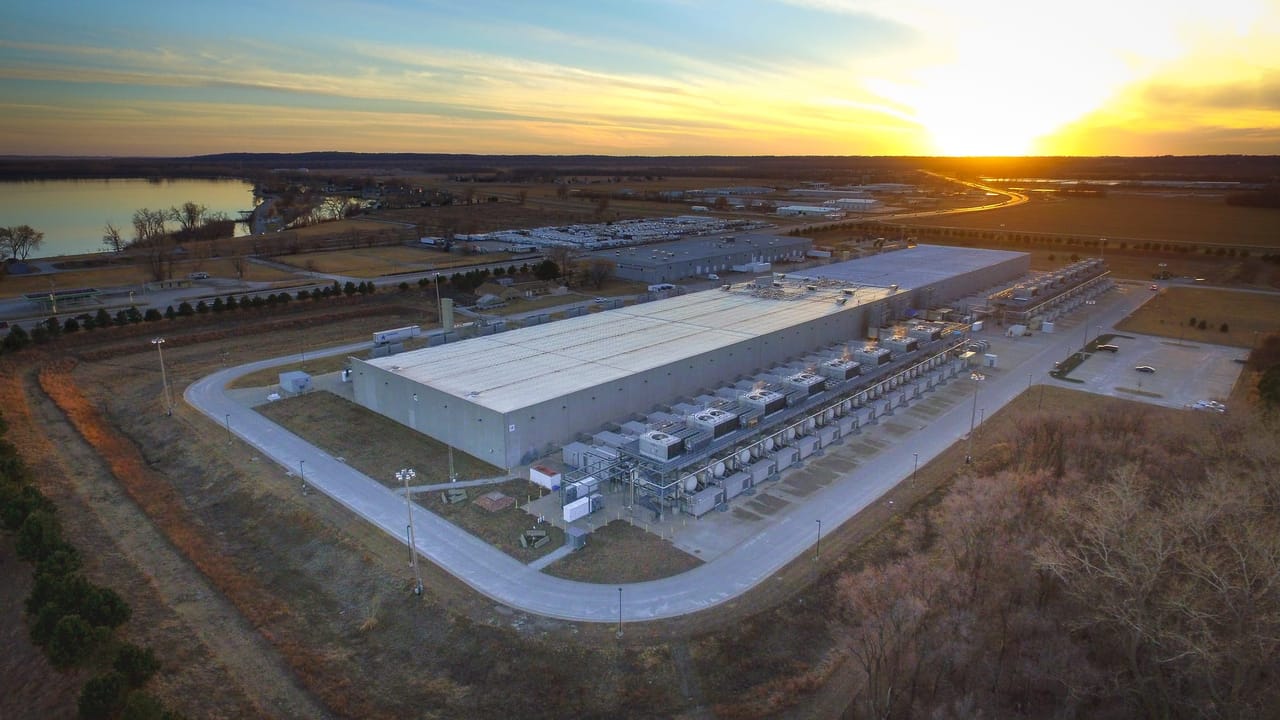
In the three months to September, Alphabet's building and equipment bill came to $51.4 billion, and the company says the vast majority went on data centers and computers for artificial intelligence. On Thursday, October 29, it lost more than nine times that amount in stock market value in one day.
Shares of Google's parent fell 12.6 percent, the steepest one-day drop since it went public in 2004. Counts of the damage range from $475 billion to about $500 billion. Nvidia's fall in January 2025 is the only bigger one-day loss on the US market. Fortune, citing Forbes estimates, puts the paper loss for founders Larry Page and Sergey Brin at about $60 billion combined.
The trigger looked like good news: a report, published the evening before, with what Alphabet calls record growth at Google Cloud.
Growth that still fell short
Revenue rose 25 percent to $127.6 billion. Google Cloud, which sells computing power and AI services to other businesses, grew 103 percent to $30.7 billion.
Wall Street, however, had expected more. Revenue and adjusted profit both fell short of forecasts, the first such double miss in nearly four years. "The cloud business was the only business that beat at 103% growth," said Jefferies analyst Brent Thill, adding that it did not beat forecasts by much. "Everything else missed."
More questions, slower money
Search advertising is Alphabet's biggest source of revenue. Chief executive Sundar Pichai said the number of searches is growing faster than at any point in the past five years. Search revenue, though, rose 12 percent to $63.35 billion, below the nearly $65 billion analysts had expected. Growth had been 19 percent in the first quarter and 17 percent in the second.
Asked on a call with analysts why searches and search money were moving apart, chief business officer Philipp Schindler named currency swings as the largest single reason for the slowdown from the previous quarter. Then came the line that made headlines: AI Mode, Google's chat-style way of searching, is growing fast and earns less so far. People are asking more, Alphabet says, and NBC News reports that this format is showing fewer ads.
A common yardstick for any business is how many dollars buyers pay for each dollar of expected profit, or earnings. Separating search from the rest of the company, a Bank of America analyst calculates that the share price valued it at about 10 times expected earnings. Fortune puts energy, the market's cheapest sector, at 13.
Google's plan is to sell more ads in its AI results. It is taking them to AI Mode in 10 more countries. Schindler says experiments have been promising.
The bill comes first
Free cash flow is the cash a business generates minus what it pays for buildings and equipment. Alphabet's was minus $9.1 billion, so more cash went out than came in. Analysts had expected minus $2.7 billion, and a year earlier it was plus $24.5 billion. The building and equipment bill itself was below forecast, so the surprise lay in the cash.
Finance chief Anat Ashkenazi pointed to more than data centers: a $5.2 billion payment for a 2018 European Commission fine, and AI chip systems built and stored before being delivered to customers.
Alphabet has also signed up for more than $1 trillion in future purchases, leases and other obligations, though it stresses that is a maximum. Ashkenazi expects the building and equipment bill to rise significantly in 2027. CNBC puts the expected figure above $300 billion, up from about $200 billion this year.
The jitters spread
Microsoft also reported on Wednesday evening, and its shares ended Thursday roughly flat, with free cash flow still positive. On Thursday evening Amazon reported 39 percent growth at its cloud arm, but overall revenue missed forecasts and the cash it burned over 12 months hit a record. Its shares fell after the market closed.
Intel closed down 28.6 percent on Friday after a weak forecast. Its chief executive had pointed to continuing trouble in the PC industry. Technology stocks pulled the S&P 500, a broad index of big US companies, down 1.8 percent that day, though it still closed about 3 percent short of its record.
"The bears will argue this is the first quarter that AI is starting to seriously hurt their search business," said Jeffrey Wlodarczak of Pivotal Research, using the market's word for pessimists. "I don't think it's a sea change," said Scott Devitt of Rosenblatt Securities. Ashkenazi expects this wave of investment to earn well above what the money costs.
Even at Thursday's close, Alphabet was worth about $3.47 trillion, the fourth most valuable company in America. For two decades it has turned people's questions into advertising money. Thursday showed how nervous investors become when those questions start to change shape.
This article was written by artificial intelligence and may contain mistakes.