Nintendo Switch Cartridge Chips Lose a Maker to the AI Boom
Two years ago, the chips that store Switch games, mostly bought by Nintendo, brought Macronix about 29% of its revenue. Now they bring 5%, and memory for data centers has delivered the best quarter in the company's history.
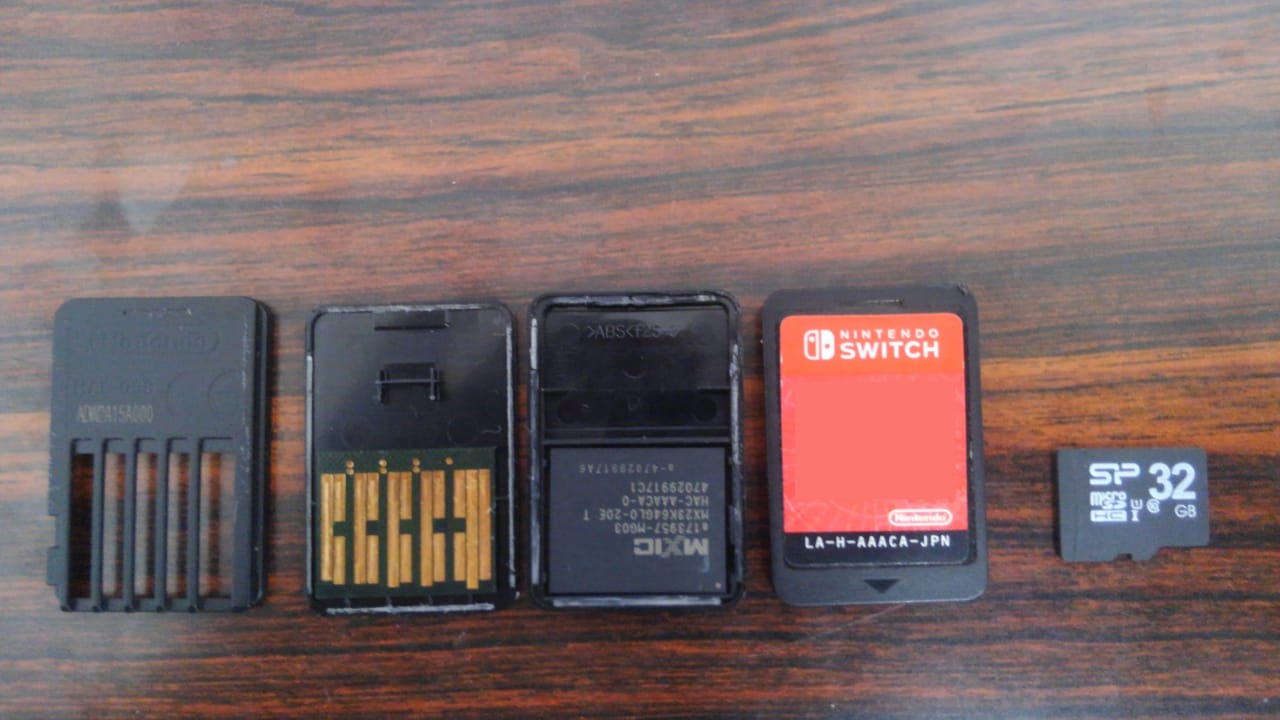
The main supplier of ROM chips for Nintendo Switch game cards is getting out of that business. Its chairman, Miin Wu, told investors that Macronix, a chipmaker in Taiwan, is gradually phasing out production of ROM chips. These are the chips that hold a cartridge's game, and Macronix has sold them mainly to Nintendo.
The timing is what makes the story. Macronix is not leaving because it is struggling. It reported the best quarter in its history.
A record quarter and a shrinking ROM
For the three months to September, Macronix reported a record net profit of NT$10.95 billion, about US$338 million. Its gross margin, the share of sales left after the cost of making its chips, reached 70.5%, up from 13.5% a year before.
ROM made up just 5% of its revenue in that quarter. In the same quarter of 2024, it was about 29%. Two other kinds of memory chips, called NAND and NOR, now carry the company. NAND is sold mostly into communications and consumer electronics. Its revenue was up 768% on the year, and NOR revenue was up 158%, driven by demand from AI data centers.
Wu said demand for NOR chips used in data centers is very robust. He also said Macronix is "allocating capacity to NAND, a high-growth segment that will drive Macronix's long-term expansion."
Why a factory choice matters
Chip factories cannot simply grow on demand. Wu said semiconductor capacity is limited and that any new equipment takes at least a year to arrive after it is ordered. Macronix expects most of its short-term growth to come from higher prices, not from making more, and it expects prices to keep rising this quarter because of tight supply and strong demand for AI memory.
Read that way, the decision looks like a choice about where scarce production goes, though Macronix has not put it in exactly those words. A factory line making chips for game cards is a line not making chips that data centers want.
A business that had been fading
ROM was already shrinking. In 2024, Wu said Nintendo's demand that quarter was weaker than in earlier third quarters, and the company expected it to grow significantly once Nintendo launched a new console. In April this year, the company said its ROM sales depended heavily on Nintendo's orders. The original Switch was near the end of its life, and a big rebound would have to wait for momentum from the Switch 2.
Last quarter, ROM sales did rise 9% from the one before. They were still 39% lower than a year earlier.
What happens to cartridges
David Gibson, an analyst at MST Financial who flagged the news, says Macronix will launch no new ROM products and that last quarter was the final one in which it reports ROM sales separately. He also points out that Macronix is not Nintendo's only cartridge supplier, so physical games will likely carry on for some time. The company Rohm still makes these chips, he says.
Reports disagree on how far this reaches. Some say Macronix's chips are used in both Switch and Switch 2 cards. Kotaku reports that Switch 2 cards use NAND memory from Rohm and so seem unaffected.
The wider picture is that more games are sold as downloads. Gibson notes that digital sales made up 61.5% of Nintendo's software sales from April to June, up from 59.3% a year earlier. Some Switch 2 games already ship on "game-key cards", which carry only a license and no game data, and Gibson suggests this could become more common.
This article was written by artificial intelligence and may contain mistakes.