Merz Links EU Budget to Ukraine Aid, Fico Threatens Veto
Germany wants every member state to share the cost of closing Ukraine's 2027 gap before the budget talks go on. Four governments are pushing back, and the next test comes at a summit in Dublin.
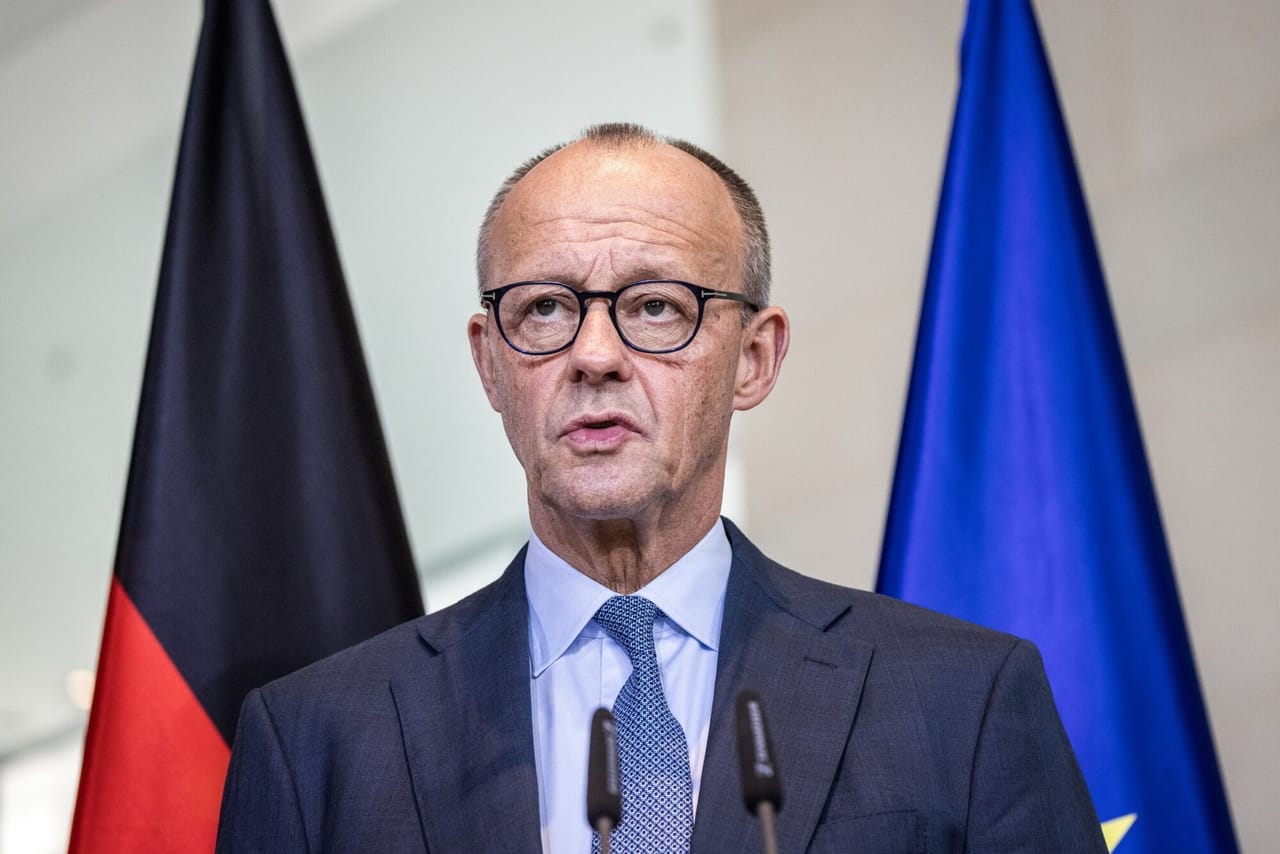
German Chancellor Friedrich Merz has made his support for the EU's next seven-year budget depend on all member states agreeing to help finance Ukraine. On Tuesday Slovak Prime Minister Robert Fico called the demand blackmail and said Slovakia holds the same veto as Germany.
Merz set out his position in a letter to European Council President António Costa. He wrote that a collective commitment that all member states, "without exception", will contribute fairly to closing Ukraine's funding gap is an "essential prerequisite" for "discussing any further matters, particularly those with financial implications". Speaking in Berlin on Tuesday, he said the question of financing Ukraine "naturally belongs within the context of these budget negotiations".
What is at stake
Ukraine faces a funding shortfall of about €70 billion in 2027. The EU has promised to cover roughly two thirds, around €45 billion, through an instrument that is not yet defined. A new round of joint borrowing is seen as the leading option. This would come on top of the €90 billion loan agreed last December, from which Hungary, Slovakia and the Czech Republic opted out.
Those three have signalled they will stay out of any new loan. Bulgaria has indicated the same. Berlin, the largest net contributor to the budget, also wants decisions on Ukraine funding to be taken by qualified majority instead of unanimity, so that one government cannot block them.
The pushback
Fico called Merz's move "a textbook case of blackmail" and said "we have the same veto power as the German federal chancellor". Czech Prime Minister Andrej Babiš, standing beside him in Bratislava, said the proposed budget already earmarks €100 billion for Ukraine. That money will not be available until 2028, while the gap is in 2027.
Hungarian Prime Minister Péter Magyar, who met Merz in Berlin, said he did not consider the move blackmail. He said the link does not necessarily send a good message and said Hungary cannot take on new European debt while it struggles with its deficit, but added that a solution will be found. Bulgarian Prime Minister Rumen Radev also cited high deficit levels and said his country is not blocking decisions at Council level.
Member states are not split only along those lines. Poland's deputy minister for European affairs, Ignacy Niemczycki, argued last week that tying the two issues together could "backfire". Ireland's finance minister, Simon Harris, whose country holds the rotating presidency and moderates the talks, said it is very hard to have a serious conversation about the European budget without Ukraine and its financing.
Dublin and the November summit
EU leaders meet informally in Dublin on Friday. Merz wants Ukraine's financing discussed there. A Costa spokesperson said the president will make time for it, and that the topic will return at a special budget summit on 26 and 27 November.