Trump Says He Does Not Recall Rubio Memo on Nvidia's Huang
The president says the warning may have been mentioned to him, while the FBI and Nvidia itself look into the CEO's tie to an alleged Chinese operative.
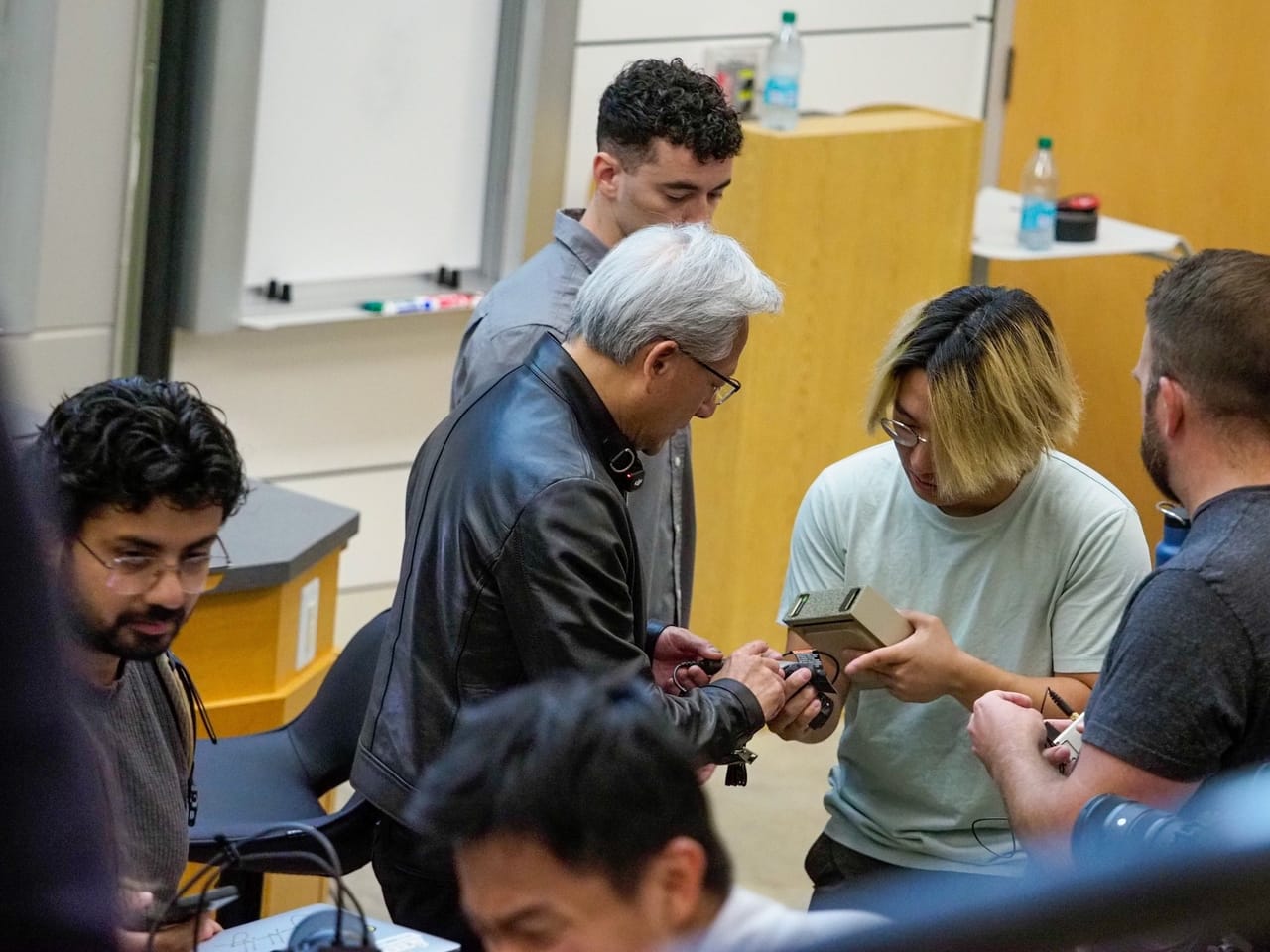
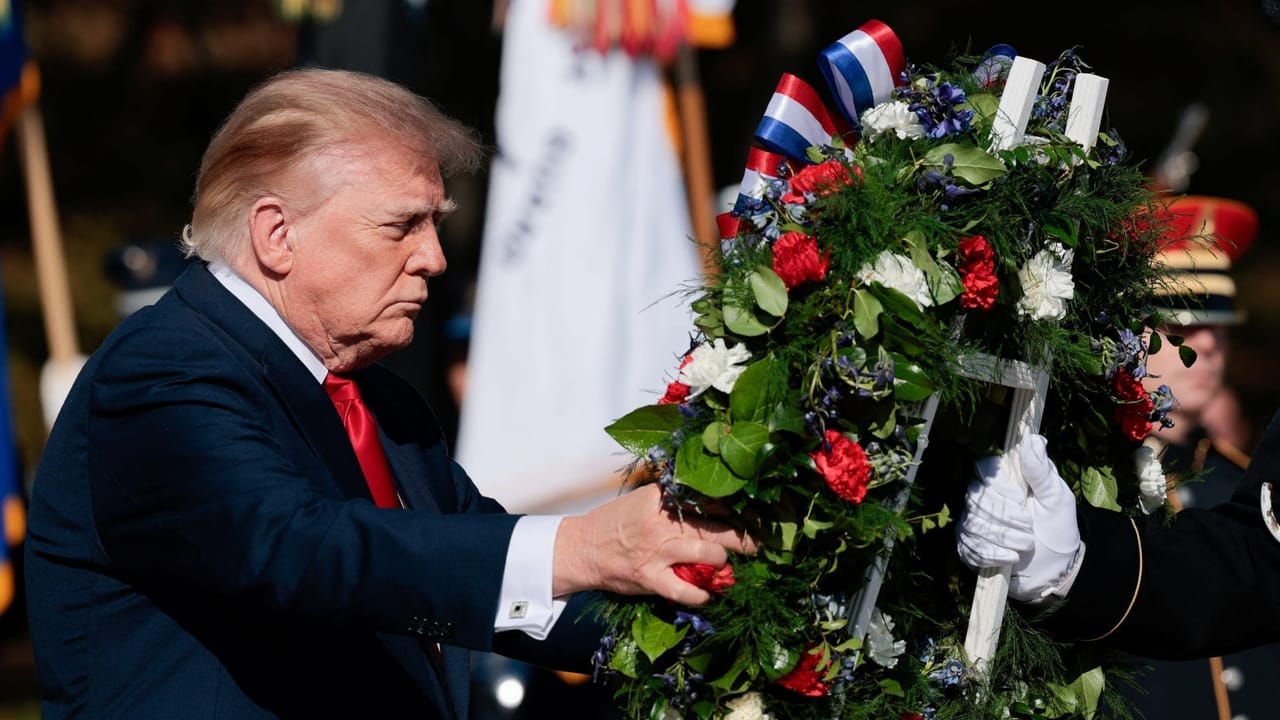
US President Donald Trump says he does not recall reading a memo in which Secretary of State Marco Rubio flagged Nvidia chief executive Jensen Huang's relationship with an alleged Chinese spy. Speaking to reporters at the White House, Trump said the warning "could have been mentioned" but "didn't make much of an impact" on him, according to the Times of India.
What Trump said
Trump said he would "check with the intelligence people." He also said he had questioned Huang himself. "He said, 'I had no idea she was a spy', and I really believe him," Trump told reporters. He said he knows the FBI is looking into it "in terms of something else" and thinks "he'll be in good shape". Trump had earlier called Huang "an honourable guy", the Times of India reports. When asked on Sunday whether he regretted not acting sooner, the Times of India reports, Trump said he had no remorse.
What is alleged
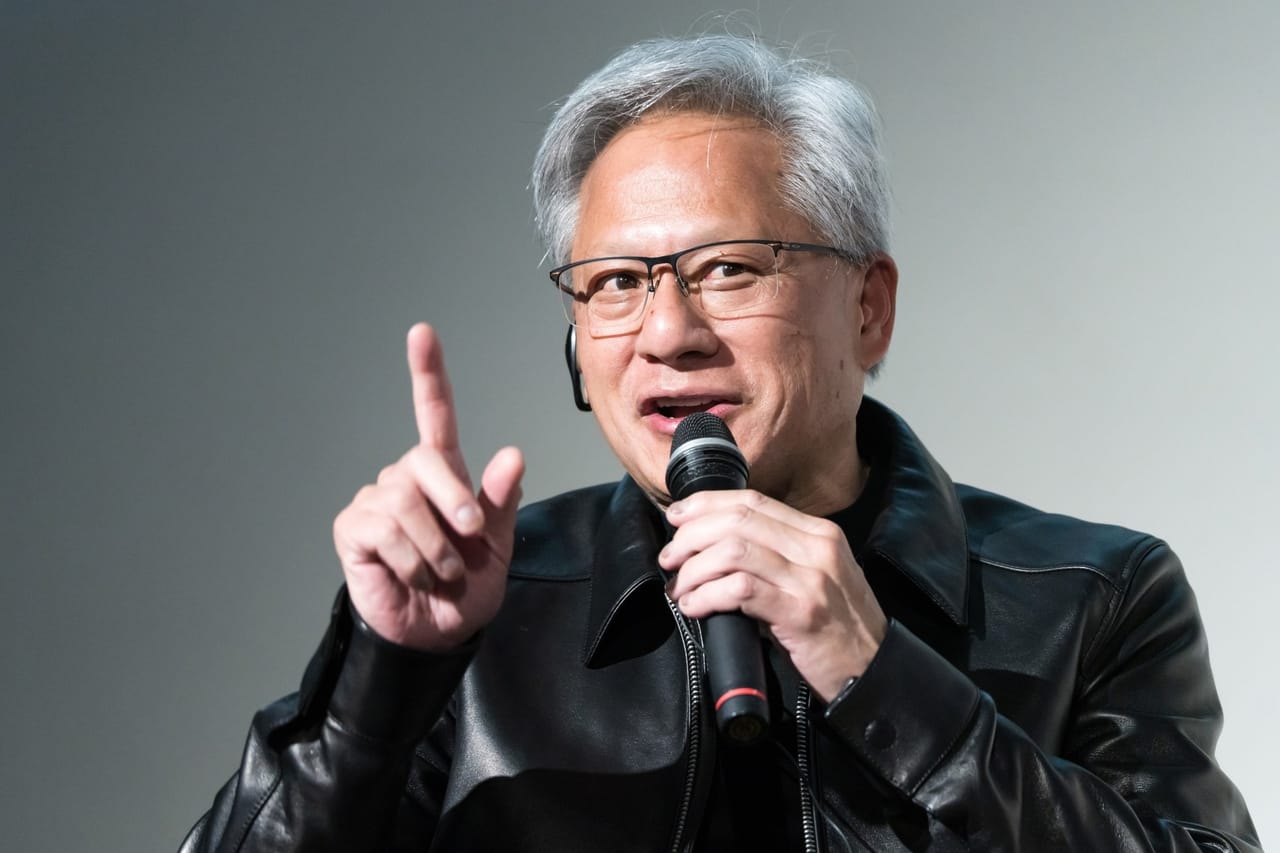
The New York Times reported that Rubio flagged the relationship in a memo circulated before Trump's visit to Beijing in May. An earlier New York Times report said Trump was briefed nearly a year ago that US intelligence agencies had electronically surveilled A.H. on suspicion that she was spying for Beijing. She is not related to Jensen Huang and was previously managing director of Megaspeed, a Singapore-based company with commercial partnerships with Nvidia.
According to that report, the surveillance first showed her contact with an unidentified American, whom officials later identified as Jensen Huang. The report says Trump chose not to take punitive action, and that he reportedly saw Nvidia's advanced chips as important to competition with China in artificial intelligence and the company's market value as important to financial markets. These accounts are allegations as reported. The Times of India says the claims raise concerns in Washington about a possible transfer of sensitive technology involving Nvidia's AI processors.
Where things stand
The FBI is examining Huang's association with the accused operative. Nvidia has started an independent internal inquiry. The Times of India reports that Huang has publicly acknowledged the relationship and apologised to his spouse. China has rejected the espionage allegations and called them part of a coordinated smear campaign against Beijing.
The matter comes while Huang continues to lobby Washington for looser export controls on chip sales to mainland China. Trump has authorised Nvidia to supply its H200 AI chips to Beijing over the course of the year. It remains unclear whether Chinese regulators will let domestic companies buy them in large volumes.