France Blames Iran's Revolutionary Guards for Fridge Hacks
Paris says Iran's Revolutionary Guards sabotaged hundreds of supermarkets in October. France is pushing for sanctions at European level.
French Foreign Minister Jean-Noël Barrot said on Monday that Iran's Islamic Revolutionary Guard Corps was behind the cyberattacks that overheated supermarket fridges across France on the night of October 11 to 12. "I can confirm that this attack was carried out by the Islamic Revolutionary Guard Corps of the Islamic Republic of Iran," he said. He called the attack "unprecedented in both its scale and its level of aggression."
Iran's mission to the United Nations did not return messages seeking comment, and Iran's foreign ministry and its embassy in Paris did not immediately respond. Iran routinely denies carrying out malicious cyber operations.
What happened
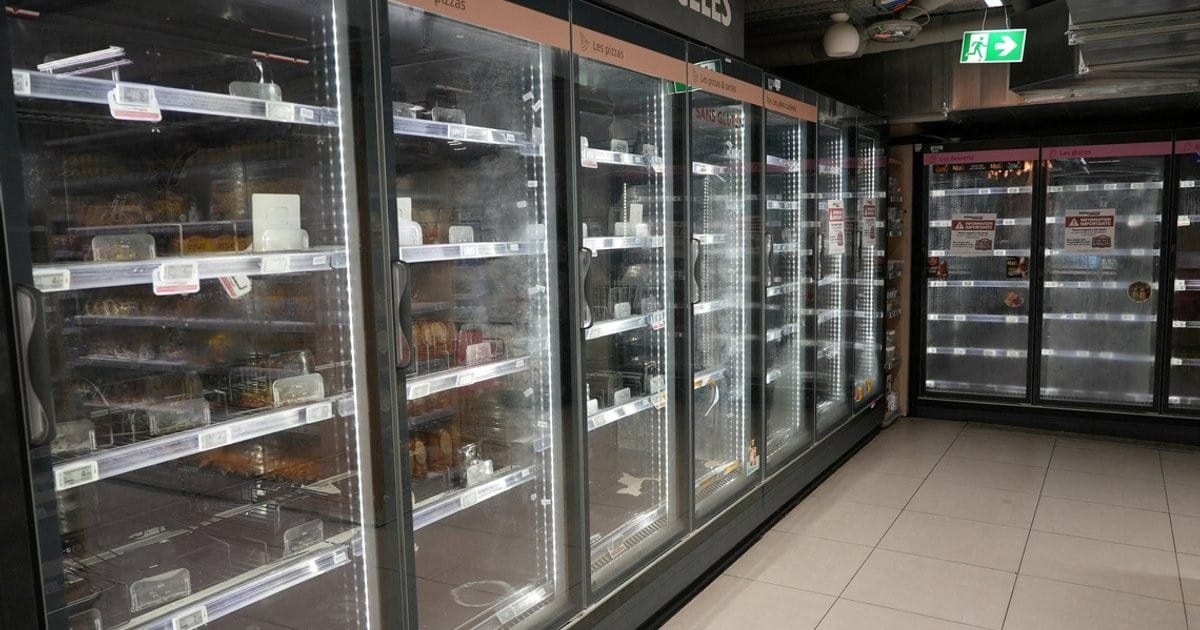
Attackers took remote control of cooling equipment through web interfaces and set off abnormal defrost cycles with no time limit. At the same time they switched off the sensor alerts that warn when a temperature gets too high, the Paris prosecutor said. The BBC reported that the target was software from the Danish firm Danfoss, which retailers use to manage cold units remotely.
About 700 sites were hit, according to Barrot. Carrefour, Monoprix, Intermarché and Coopérative U were among the chains affected. Food spoiled in large quantities. The French foreign ministry put the damage at tens of millions of euros. The number of fires is given differently: a French report cited by Reuters says at least 15, while the Paris prosecutor's office says about 20.
Who is accused and what comes next
The Paris prosecutor, Laure Beccuau, said a judicial investigation has been opened against the head of Shahid Kaveh, a cyber unit affiliated with the Guards, and against his two deputies. She said the unit typically uses the Persian language and IP addresses that trace back to terminals in Iran. They are accused, not convicted.
According to Reuters, a joint report by French spy and cyber agencies linked Shahid Kaveh to the attacks in three ways: through the digital infrastructure used to sabotage the fridges, through the match between the intrusion pattern and other hacks by the unit, and through traces of Farsi found in that infrastructure. Reuters said it could not establish exactly how the French made their determination. The BBC notes that attribution of cyberattacks is extremely hard because hackers can hide their locations.
Barrot said France will push for sanctions at European level and has summoned the Iranian ambassador. EU foreign policy chief Kaja Kallas said the response "should be strong" if the attribution holds. The EU's Foreign Affairs Council meets on November 16.
A second wave of fridge hacks hit more than 100 stores in several European countries this month. Neither Barrot nor the prosecutors said whether it is connected to the October attack.